
08
Apr
2026
Best YouTube Blocker Apps for Parents in 2025
April 8, 2026
Finding the best youtube blocker for your child’s Android or iOS device means balancing safety, usability, and controls that actually stick – here’s what every parent needs to know.
Table of Contents
- What Is a YouTube Blocker and Why Does It Matter?
- How Do YouTube Blockers Work on Android and iOS?
- What Features Should You Look for in the Best YouTube Blocker?
- Why Do Kids Bypass YouTube Blockers – and How Do You Stop It?
- Frequently Asked Questions
- Comparison: YouTube Blocking Approaches
- How Boomerang Parental Control Handles YouTube
- How to Block YouTube on Your Child’s Device in 5 Steps
- The Bottom Line
- Sources & Citations
Article Snapshot
The best youtube blocker is a parental control tool that prevents children from accessing YouTube content on their devices, either by blocking the app, filtering web access, or monitoring viewing history to enforce household rules. Effective solutions combine blocking, scheduling, and visibility features to give parents real control.
What Is a YouTube Blocker and Why Does It Matter?
The best youtube blocker is a tool – built into a parental control app or applied at the browser or network level – that prevents children from accessing YouTube videos, search results, or the YouTube app itself on their mobile devices. For families navigating the challenge of screen time management, YouTube presents a specific and persistent problem: the platform’s autoplay algorithm and endless recommended videos make it exceptionally difficult for children to self-regulate, and the content children encounter is not always age-appropriate, even with YouTube Kids available as an alternative.
Boomerang Parental Control, launched in 2015, addresses this challenge directly with tools designed for Android devices – including YouTube App History Monitoring – so parents gain real visibility into what their child is watching rather than simply hoping the platform’s own filters do the job.
START YOUR FREE TRIAL
Take control of screen time—free for 14 days, cancel anytime.



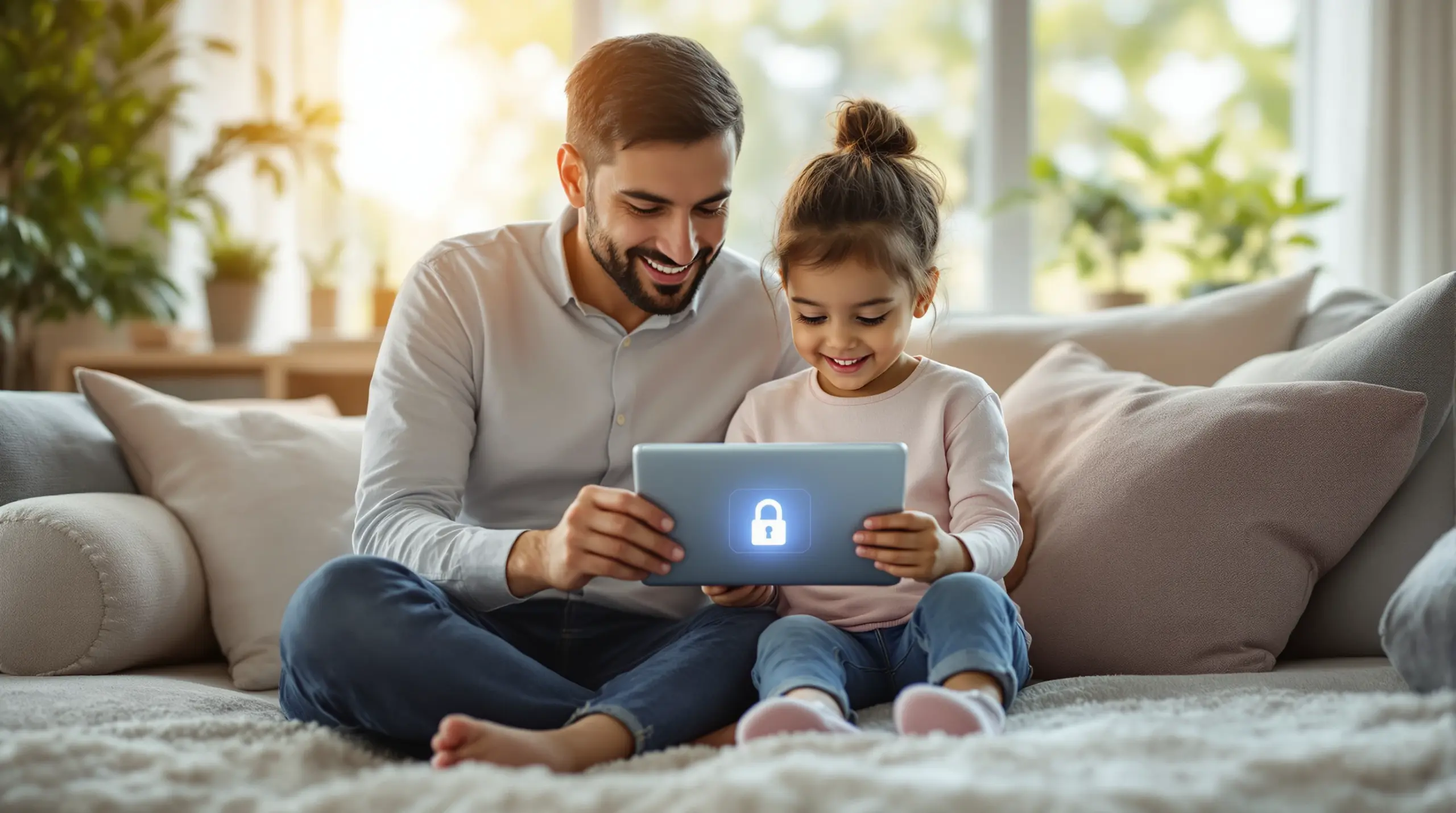
YouTube blocking matters because the platform is one of the most-used apps among children and teenagers in the United States and Canada. Unlike social media platforms that require an account to browse, YouTube is freely accessible to anyone with a browser or the YouTube app installed, which means standard account restrictions are not enough. A child can open a browser, navigate to YouTube.com, and begin watching without signing in. This is why the most effective YouTube content restriction strategies combine app blocking, web filtering, and device-level scheduling – rather than relying on any single method alone.
Parents who give their child a first Android smartphone or tablet often discover within days that YouTube dominates screen time in ways they did not anticipate. The right YouTube access control tool removes that variable from the equation by enforcing limits automatically, without requiring the parent to police the device manually every evening.
How Do YouTube Blockers Work on Android and iOS?
YouTube blockers function through one of several technical methods – app-level blocking, browser-based filtering, network-level DNS filtering, or device management profiles – and the method determines both how effective the block is and how easily a child can work around it.
On Android devices, parental control apps like Boomerang can block the YouTube app directly through device administration permissions, preventing the app from launching during restricted hours or entirely. Because Android allows third-party apps deeper system access than iOS, Android-based YouTube blocking is more comprehensive. Boomerang’s screen time features allow parents to set per-app time limits specifically for YouTube, so instead of a full block, a child is permitted 30 minutes of YouTube per day before the app locks automatically.
On iOS devices, the picture is different. Apple restricts the level of system access third-party apps can use, which means iOS parental control apps – including Boomerang on iOS – have more limited YouTube blocking capability. Apple’s built-in Screen Time feature can hide or restrict the YouTube app, but a determined child who knows the Screen Time passcode can navigate around it. iOS parental control solutions on Boomerang focus on scheduled downtime and location features rather than the deep per-app controls available on Android.
Browser-based filtering takes a different approach. Rather than blocking the YouTube app, it blocks access to YouTube.com through any browser on the device. The SPIN Safe Browser – which integrates with Boomerang – enforces web filtering and SafeSearch automatically across any network the child’s device connects to, including school Wi-Fi, mobile data, and friends’ home networks. This means a child cannot simply switch networks to bypass the filter, which is a common weakness in router-based solutions.
Network-level DNS filtering blocks YouTube at the router level for all devices connected to a home Wi-Fi network, but it provides no protection when a child leaves the house and connects to a different network. For families who need protection that travels with the device, app-level or browser-level blocking is a more reliable YouTube restriction method.
What Features Should You Look for in the Best YouTube Blocker?
The best youtube blocker for families combines blocking capability with monitoring and scheduling features, because a block alone does not tell you what your child was watching before you put the block in place – and it does not help you have an informed conversation about safe online content.
App blocking and scheduling are the foundation. Look for a parental control app that can block the YouTube app outright or enforce time-based limits – for example, allowing YouTube only after school and locking it at 8 PM on school nights. Boomerang’s automated daily limits and bedtime scheduling do exactly this on Android devices, removing the parent from the role of manual enforcer and letting the app handle the turn-off.
YouTube viewing history monitoring is a feature that separates the best options from basic blockers. On Android, Boomerang provides YouTube App History Monitoring, giving parents a clear record of what their child searched for and watched inside the YouTube app. This visibility is valuable not just for safety, but for building informed conversations with your child about what they are watching and why. This feature is available on Android only – iOS does not support this level of monitoring through third-party apps.
Web filtering that covers YouTube.com is equally important. A child who cannot open the YouTube app can simply open Chrome or Safari and reach YouTube through the browser. The most effective solutions block both pathways simultaneously. SPIN Safe Browser enforces safe browsing and restricts access to YouTube.com without requiring a VPN or any network configuration – it works on any connection the device joins.
Uninstall protection is a defining factor for parents of tech-savvy kids. A YouTube blocker that a child can simply delete is not a blocker at all. Boomerang’s Uninstall Protection, combined with Samsung Knox integration on supported Samsung devices, makes the parental control app extremely difficult to remove without the parent’s PIN – a meaningful differentiator from free built-in tools that teenagers routinely defeat. You can read more about this capability on the Boomerang Parental Control Samsung Knox information page.
App approval control adds a proactive layer. Boomerang’s App Discovery and Approval feature requires parent sign-off for every new app the child tries to install. This prevents a child from simply downloading a third-party YouTube client or an alternative video platform to circumvent a block on the official YouTube app.
Why Do Kids Bypass YouTube Blockers – and How Do You Stop It?
Children bypass YouTube blockers because most solutions have at least one gap – a browser that is not filtered, a network that is not covered, or an app that can be deleted – and children, especially teenagers, are motivated and technically capable enough to find those gaps quickly.
The most common bypass method is switching browsers. If a parent blocks the YouTube app but does not filter browser access to YouTube.com, a child simply opens Chrome, Safari, or any other installed browser and reaches YouTube without restriction. The fix is to deploy a filtered browser – like SPIN Safe Browser – that blocks YouTube.com across all browsing on the device, and to restrict or remove unfiltered browsers from the device using app blocking controls.
A second common bypass is network switching. Router-based DNS filters only protect devices when they are connected to the home Wi-Fi network. The moment a child connects to a neighbor’s Wi-Fi or uses mobile data, the filter has no effect. App-level and browser-level filtering that travels with the device – like SPIN Safe Browser’s built-in filtering that works on any network – closes this gap without requiring VPN software.
Uninstalling the parental control app is the most direct bypass, and it defeats many competing solutions entirely. Tech-savvy teens who have already bypassed Google Family Link or Apple Screen Time know that deleting the monitoring app is the fastest path to unrestricted access. Boomerang’s Uninstall Protection addresses this specifically. On Samsung Galaxy devices, Samsung Knox integration at the firmware level prevents removal without the parent’s authorization code, which is why parents of teenagers who have already circumvented simpler tools find Boomerang to be a more durable solution. As one Google Play reviewer confirmed: “I have control back over my child’s phone and applications because she managed to circumvent family link. I have no idea how she did that but she managed to find a way, as did other kids.” – Joe Eagles, Google Play review
Installing alternative apps is a bypass parents often overlook. A child blocked from the official YouTube app may download a third-party YouTube client, a video downloader, or an entirely different video platform to access the same content. Boomerang’s App Discovery and Approval feature prevents this by requiring parental approval for every new app installation on Android, closing the alternative-app loophole before it opens. You can learn more about the full feature set at Boomerang Parental Control.
Finally, using a friend’s device is a social workaround rather than a technical one, and no app fully solves it. However, research consistently shows that children with consistent digital boundaries at home – including firm YouTube restrictions – develop stronger self-regulation habits over time, making the social workaround less appealing as a habit.
Your Most Common Questions
What is the best youtube blocker for Android devices?
The best youtube blocker for Android devices is a dedicated parental control app that combines app-level blocking, YouTube history monitoring, and uninstall protection in one solution. Android offers the deepest level of third-party parental control integration, which means Android-specific tools like Boomerang Parental Control can block the YouTube app, limit daily YouTube usage with per-app time limits, monitor what your child searched for and watched inside the YouTube app, and prevent your child from simply deleting the app to regain access. Free options like Google Family Link offer basic app hiding, but they lack per-app time granularity and YouTube viewing history, and tech-savvy children have demonstrated repeatedly that they can be bypassed. For families who want a YouTube blocker that sticks, an Android-first solution with uninstall protection and deep app management is the most reliable choice. Pairing app blocking with a filtered browser like SPIN Safe Browser also closes the browser-based YouTube access gap that many blockers miss.
Can I block YouTube on my child’s iPhone or iPad?
Yes, blocking YouTube on an iPhone or iPad is possible using Apple’s built-in Screen Time feature or a third-party parental control app, though iOS restrictions are more limited than Android options. Apple Screen Time allows you to hide or restrict the YouTube app using content and privacy restrictions, and you can set daily time limits for the app through the App Limits feature. However, iOS does not grant third-party parental control apps the same deep system access that Android allows, which means features like YouTube viewing history monitoring and per-app time granularity are not available on iOS through third-party tools. SPIN Safe Browser is available on iOS and provides web-level filtering that blocks YouTube.com through the browser, working on any network without VPN configuration. Boomerang Parental Control supports iOS with scheduled screen time and location tracking, but the richer YouTube-specific controls – including YouTube App History Monitoring – are Android-only features. Families with iPhones who need stronger YouTube blocking should consider pairing Apple Screen Time with SPIN Safe Browser for browser-level coverage.
Will a YouTube blocker also block YouTube Kids?
A YouTube blocker blocks YouTube Kids only if it is specifically configured to target that app – most app-level solutions treat the YouTube app and the YouTube Kids app as separate applications. Blocking the main YouTube app does not automatically block YouTube Kids. If your goal is to allow YouTube Kids while blocking the regular YouTube app, use a parental control solution with per-app controls – such as Boomerang on Android – to block the YouTube app specifically while leaving YouTube Kids accessible or applying a separate, shorter time limit to it. Conversely, if you want to block all YouTube access entirely, you need to block both apps individually and also filter browser access to YouTube.com and youtubekids.com to prevent browser workarounds. Web filtering through SPIN Safe Browser is configured to block YouTube.com at the browser level, adding an additional layer that covers both platforms when browser access is a concern. Always check that your chosen solution handles both apps and browser access as distinct control points.
How do I stop my child from bypassing the YouTube blocker?
Stopping a child from bypassing a YouTube blocker requires closing three common gaps: browser access, alternative apps, and the ability to delete the parental control app itself. First, pair any app-level YouTube block with a web content filter like SPIN Safe Browser that blocks YouTube.com through the browser on any network, including mobile data and friends’ Wi-Fi. Second, enable app approval controls so your child cannot simply download a different video app without your permission – Boomerang’s App Discovery and Approval feature on Android requires parent sign-off for every new installation. Third, and most critically, use a parental control app with genuine uninstall protection. Boomerang’s Uninstall Protection – reinforced by Samsung Knox on supported Samsung Galaxy devices – prevents children from removing the app without the parent’s authorization PIN, which is the step that defeats most simpler solutions. Parents of teenagers who have already bypassed Google Family Link or Apple Screen Time consistently report that uninstall protection is the single most important feature when choosing a YouTube blocker that actually holds. Combining all three layers is the most reliable approach to keeping YouTube restrictions in place.
Comparing YouTube Blocking Approaches: Which Method Is Right for Your Family?
Choosing the right YouTube blocking method depends on your child’s age, technical confidence, and the devices in your household. The table below compares the four most common approaches across the features that matter most for families.
| Blocking Method | Covers App & Browser | Works Off Home Wi-Fi | Bypass Resistance | YouTube History Visibility | Best For |
|---|---|---|---|---|---|
| Built-in tools (Google Family Link / Apple Screen Time) | Partial – app only | Yes | Low – commonly bypassed | No | Young children, low-risk environments |
| Router / DNS filtering | Browser only (on home network) | No | Low – ineffective on mobile data | No | Whole-home filtering at home only |
| Browser-level filtering (SPIN Safe Browser) | Browser only – any network | Yes | Medium – no VPN required | No | Layering on top of app controls |
| Dedicated parental control app (Boomerang, Android) | Yes – app and browser combined | Yes | High – uninstall protection + Knox | Yes (Android only) | Pre-teens and teens, Android households |
How Boomerang Parental Control Handles YouTube
Boomerang Parental Control takes a layered approach to YouTube management on Android devices, combining app-level control, viewing history visibility, and uninstall protection that free alternatives cannot match. For families with Android devices, Boomerang is purpose-built to address exactly the problem that makes YouTube so challenging: it is accessible through multiple pathways, the content is not always appropriate, and children are strongly motivated to keep watching.
On Android, Boomerang’s per-app time limits let you set a specific daily allowance for the YouTube app – for example, 45 minutes on school days – after which the app locks automatically without any intervention from you. The screen time scheduling features also let you block YouTube entirely during homework hours and after bedtime, enforcing those boundaries consistently every day without requiring a daily reminder or argument.
YouTube App History Monitoring on Android gives you a clear log of what your child searched for and watched inside the YouTube app. This monitoring is not about surveillance for its own sake – it is about having informed conversations. When you can see that your child spent an afternoon watching gaming content or stumbled onto something concerning, you can address it directly. This feature is not available on iOS, where Apple’s system restrictions prevent third-party apps from accessing YouTube’s in-app activity.
Uninstall protection is where Boomerang separates itself most clearly from free tools. For families with Samsung Galaxy devices, Boomerang’s Samsung Knox integration uses enterprise-grade mobile security built into the device firmware to make removal without the parent’s PIN essentially impossible. Parents of teenagers who have already defeated Google Family Link or Apple Screen Time consistently find this to be the decisive feature.
“Hey fellow parents, So far this the best parental control app .. hands down. So far the only app my 11 year old was not able to bypass. Big Shout out to developers for making such a great app.” – Jason H, Google Play review
Boomerang also integrates with SPIN Safe Browser to cover the browser pathway to YouTube.com, so both the app and browser access routes are managed within one parental control ecosystem. Annual subscriptions cover a single device, and a Family Pack is available for households with up to 10 child devices. Visit the Android download page to get started, or contact the team at [email protected] for questions about which plan fits your family.
How to Block YouTube on Your Child’s Device in 5 Steps
Step 1: Choose an Android-First Parental Control App
Install a dedicated parental control app designed for Android devices, since Android provides the deepest system access for third-party controls. Boomerang Parental Control is available through Google Play or via the sideload download page for non-Samsung Android devices that need the full feature set including Call and Text Safety and Uninstall Protection.
Step 2: Block or Set Time Limits for the YouTube App
Use the per-app controls in Boomerang to either block the YouTube app entirely or assign a specific daily time allowance. Setting a limit rather than an outright block often reduces conflict with older children because it acknowledges reasonable YouTube use while still enforcing a boundary automatically.
Step 3: Enable Browser-Level Filtering for YouTube.com
Install SPIN Safe Browser on your child’s device to filter browser access to YouTube.com on any network. Remove or restrict access to Chrome and other unfiltered browsers using Boomerang’s app blocking controls, so the filtered browser is the only browsing option available to your child.
Step 4: Activate App Approval to Block Alternative Video Apps
Turn on Boomerang’s App Discovery and Approval feature so that any new app your child attempts to install on their Android device requires your explicit sign-off before it can be used. This prevents your child from downloading a third-party YouTube client, video downloader, or alternative video platform to work around the block on the official app.
Step 5: Enable Uninstall Protection and Review YouTube History Regularly
Activate Boomerang’s Uninstall Protection – and Samsung Knox integration if your child uses a Samsung Galaxy device – to ensure the parental control app cannot be removed without your PIN. Then check YouTube App History Monitoring periodically to stay informed about what your child is watching, using that visibility as the basis for ongoing conversations about responsible digital habits rather than reactive punishment.
The Bottom Line
The best youtube blocker is not a single feature but a combination of app blocking, browser filtering, uninstall protection, and viewing history monitoring that works together to give parents consistent, durable control over YouTube access on their child’s device. Free built-in tools from Google and Apple offer a starting point, but they are routinely bypassed by motivated children – especially teenagers.
For Android households, Boomerang Parental Control provides the deepest integration available, combining per-app YouTube limits, YouTube App History Monitoring, Samsung Knox-backed uninstall protection, and SPIN Safe Browser compatibility into one family-focused platform. For iOS, pairing Apple Screen Time with SPIN Safe Browser covers the most important gaps within what the platform permits.
If you are ready to put a YouTube blocking solution in place that actually holds, visit Boomerang Parental Control to explore plans, or send your questions directly to [email protected]. The right guardrails, set up once, remove the daily argument and give your family the digital balance you are looking for.
Sources & Citations
- SPIN Safe Browser – Safe web browsing for Boomerang Parental Control.
https://spinsafebrowser.com/ - Boomerang Parental Control software review. TechRadar.
https://www.techradar.com/reviews/boomerang-parental-control-software - Boomerang Parental Control Review. SafeWise.
https://www.safewise.com/boomerang-parental-control-review
START YOUR FREE TRIAL
Take control of screen time—free for 14 days, cancel anytime.
