
09
Dec
2025
Parental Control on YouTube App: Complete Safety Guide 2026
December 9, 2025
Discover comprehensive parental control on YouTube app solutions to protect your children from inappropriate content while managing their screen time effectively across Android and iOS devices.
Table of Contents
- Quick Summary
- Market Snapshot
- Understanding YouTube Parental Controls
- YouTube’s Built-in Parental Control Features
- Advanced Third-Party Parental Control Solutions
- Android vs iOS YouTube Control Differences
- Implementing Comprehensive YouTube Safety
- Your Most Common Questions
- Platform Comparison
- Boomerang’s YouTube Monitoring Solution
- Practical Implementation Tips
- Key Takeaways
Quick Summary
Implementing effective parental control on YouTube app requires combining platform-native features with specialized third-party solutions. YouTube’s supervised accounts and content restrictions provide basic protection, while advanced parental control apps offer deeper monitoring and enforcement capabilities.
Market Snapshot
Understanding YouTube Parental Controls
Parental control on YouTube app has become a critical concern for families as children increasingly turn to the platform for entertainment and educational content. With 20 percent of UK children aged 4-15 going straight to YouTube when turning on their TV[2], parents need robust tools to manage what their children watch and how long they spend on the platform.
The challenge extends beyond simple content filtering. YouTube’s algorithm-driven recommendations can quickly lead children from appropriate content to potentially harmful videos. Traditional parental controls often fall short because they cannot provide the granular visibility and control that modern families require for comprehensive digital safety.
START YOUR FREE TRIAL
Take control of screen time—free for 14 days, cancel anytime.



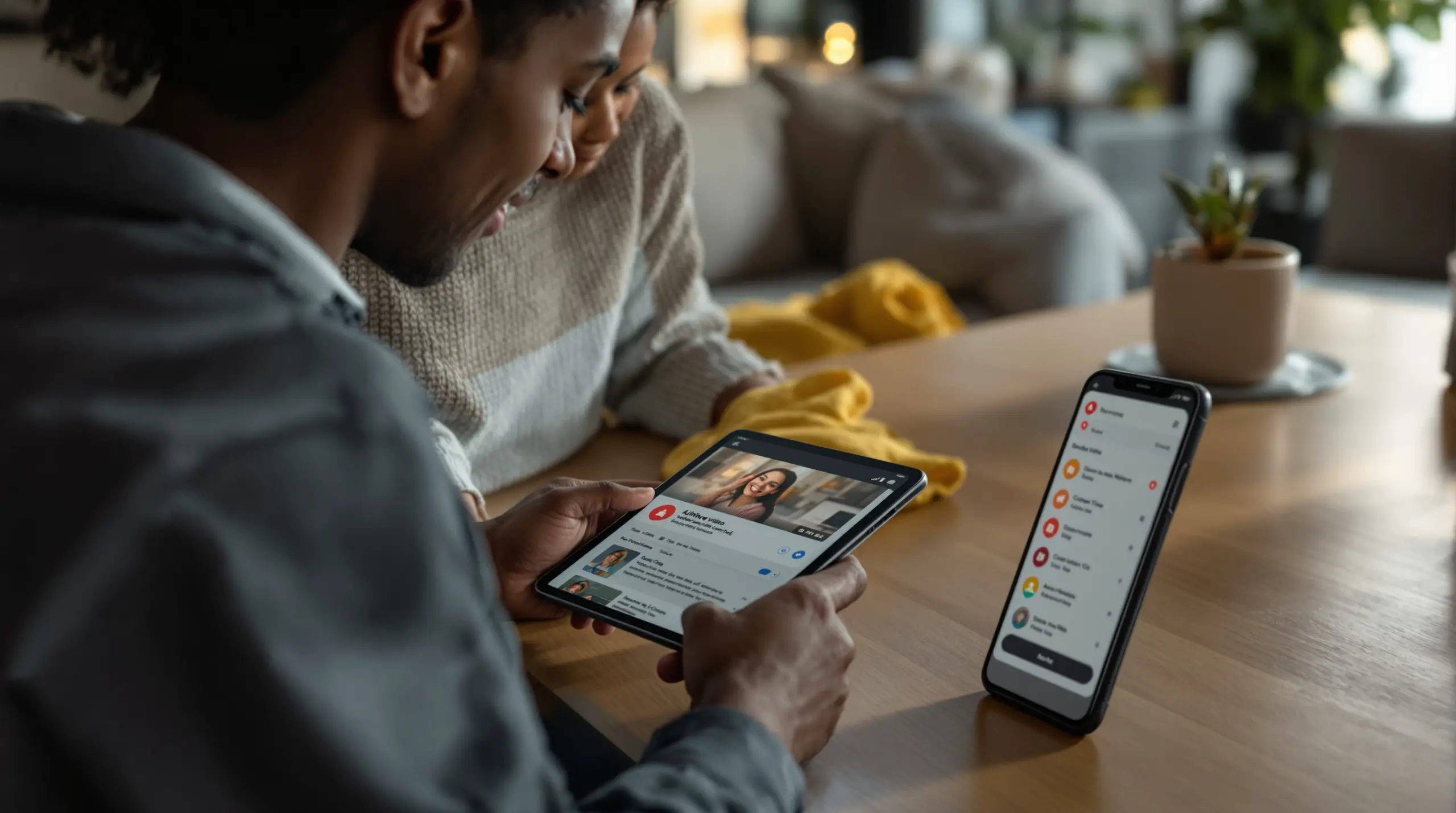
Understanding the different layers of parental control on YouTube app helps parents make informed decisions about protecting their children online. These controls range from YouTube’s native features to sophisticated third-party applications that offer advanced monitoring and enforcement capabilities. The key is finding the right combination that matches your family’s specific needs and technical comfort level.
We’ll explore how various parental control solutions work together to create a comprehensive safety framework. From YouTube Kids and supervised accounts to specialized monitoring apps, each tool serves a specific purpose in maintaining your child’s digital wellbeing while allowing them to benefit from educational and age-appropriate entertainment content.
YouTube’s Built-in Parental Control Features
YouTube has significantly expanded its native parental control features, particularly with the introduction of supervised accounts and enhanced content filtering. The YouTube Safety Team recently announced that “parents can now help teens be even more intentional about how they watch, with a control to set the amount of time spent scrolling Shorts”[3], representing a major step forward in platform-native controls.
YouTube Kids remains the foundation of Google’s family safety approach, offering age-based content profiles starting from 9 years+[4]. This dedicated application provides parents with granular control over what their children can access, including the ability to disable search functionality entirely and manually approve all content channels. The app’s algorithm focuses specifically on educational and age-appropriate entertainment rather than engagement-driven recommendations.
Supervised accounts bridge the gap between YouTube Kids and the full YouTube experience, allowing parents to maintain oversight while giving older children access to a broader range of content. These accounts include default wellbeing protections like bedtime reminders for users aged 13-17 years[3], automatic breaks during extended viewing sessions, and parental approval requirements for certain features.
The platform’s newest feature allows parents to set YouTube Shorts viewing limits up to a maximum of 60 minutes daily[5], with the option to completely disable short-form content. This addresses growing concerns about the addictive nature of short-form video content and gives parents unprecedented control over one of the most engaging aspects of the YouTube experience.
Restricted Mode serves as an additional safety layer, using automated systems to identify and filter potentially mature content. However, YouTube acknowledges that this feature works best when combined with active parental supervision and regular monitoring of viewing history and subscribed channels.
Advanced Third-Party Parental Control Solutions
While YouTube’s native controls provide a solid foundation, many families require more comprehensive parental control on YouTube app solutions that offer deeper monitoring and enforcement capabilities. Third-party parental control applications fill critical gaps in platform-native tools, particularly around viewing history visibility and unbypassable time limits.
Professional parental control applications offer features that YouTube cannot provide due to platform limitations. These include complete viewing history monitoring, detailed analytics about watch patterns, and the ability to set granular time limits that cannot be easily bypassed by tech-savvy children. Unlike YouTube’s honor-system approach to time limits, dedicated parental control apps can automatically lock devices or block specific applications when limits are reached.
The integration between specialized monitoring tools and YouTube creates a more robust safety framework. Parents can see not just what their children are watching, but also how much time they spend on different types of content, which channels they subscribe to, and what they search for within the application. This visibility enables proactive conversations about digital citizenship and online safety.
Content filtering in third-party solutions often extends beyond YouTube’s capabilities by allowing parents to block specific keywords, channels, or even entire content categories that might be considered appropriate by YouTube’s algorithm but inappropriate for individual families. This customization addresses the reality that family values and safety standards vary significantly across households.
Advanced features like geofencing integration allow parents to automatically adjust YouTube access based on location – for example, allowing educational content during school hours while restricting entertainment videos. Some solutions also provide detailed reporting features that help parents understand their children’s digital habits and identify potential concerns before they become serious problems.
Android vs iOS YouTube Control Differences
The effectiveness of parental control on YouTube app varies significantly between Android and iOS platforms due to fundamental differences in how these operating systems handle application permissions and system-level controls. Understanding these platform-specific capabilities helps parents choose the most appropriate monitoring solutions for their family’s devices.
Android devices typically offer deeper integration possibilities for parental control applications. The platform’s more open architecture allows third-party apps to monitor YouTube usage patterns, track viewing history, and implement system-level restrictions that are difficult to bypass. Android’s device administration features enable parental control apps to prevent uninstallation and maintain consistent policy enforcement even when children attempt to circumvent restrictions.
iOS devices, while offering robust built-in Screen Time controls, present more limitations for third-party monitoring applications due to Apple’s privacy-focused ecosystem. The platform’s sandboxed application architecture means that third-party parental control apps cannot directly monitor YouTube activity in the same detailed way possible on Android devices. However, iOS Screen Time provides native YouTube time limiting and content restriction capabilities that integrate seamlessly with the operating system.
YouTube’s supervised accounts and content filtering work similarly across both platforms, but the enforcement mechanisms differ substantially. Android users benefit from more granular control options through specialized parental control applications that can provide detailed YouTube usage reports and implement time limits that cannot be easily disabled by children.
The choice between platforms often depends on the level of monitoring and control parents require. Families seeking detailed visibility into YouTube viewing habits and robust bypass-prevention typically find Android devices more suitable, while those comfortable with Apple’s integrated controls and willing to accept some monitoring limitations may prefer the iOS ecosystem’s streamlined approach to family safety.
Implementing Comprehensive YouTube Safety
Successfully implementing parental control on YouTube app requires a layered approach that combines multiple tools and strategies rather than relying on any single solution. The most effective implementations start with clear family agreements about device usage and gradually introduce technical controls that support these agreements rather than replace ongoing communication about digital citizenship.
Begin with YouTube’s native safety features as your foundation layer. Enable Restricted Mode, set up appropriate supervised accounts for older children, and configure YouTube Kids for younger family members. These platform-native tools provide essential content filtering and basic time management without requiring additional software installations. However, recognize that these controls work best when children understand and agree to follow family rules about online behavior.
Layer specialized monitoring tools on top of YouTube’s native controls to address gaps in visibility and enforcement. Professional parental control applications excel at providing detailed usage reports, implementing unbypassable time limits, and monitoring viewing patterns that might indicate concerning behavior or content exposure. The key is selecting tools that complement rather than conflict with YouTube’s built-in protections.
Establish regular monitoring routines that involve reviewing YouTube viewing history, discussing discovered content with your children, and adjusting controls based on changing needs and maturity levels. According to ESET safety experts, “tools like Restricted Mode, YouTube Kids and supervised accounts can filter and limit content, but they work best when combined with active supervision”[2]. This active involvement helps children develop critical thinking skills about online content.
Consider environmental factors when implementing controls, such as adjusting YouTube access during homework time, before bedtime, or during family activities. Many advanced parental control solutions offer location-based and schedule-based restrictions that automatically enforce family rules without requiring constant parental intervention. The goal is creating a framework that promotes healthy digital habits while maintaining family harmony and trust.
Your Most Common Questions
How can I see what my child watches on YouTube?
The visibility into your child’s YouTube viewing depends on your chosen monitoring approach and device platform. YouTube’s supervised accounts provide basic viewing history access through the parent dashboard, allowing you to review recent videos and channels. For deeper monitoring, specialized parental control applications offer detailed analytics including search terms, video categories, and time spent on different content types. Android devices typically support more comprehensive monitoring capabilities than iOS devices due to platform architecture differences. Some advanced solutions can even track viewing patterns and alert parents to potentially concerning content or behavioral changes in consumption habits.
What’s the difference between YouTube Kids and regular YouTube with parental controls?
YouTube Kids is a completely separate application designed specifically for children, featuring curated content, simplified interfaces, and robust parental oversight tools. The app uses age-based content profiles starting from 9 years+ and allows parents to disable search functionality entirely or manually approve all channels. Regular YouTube with parental controls maintains the full platform experience while adding supervision layers like restricted mode, supervised accounts, and time limits. YouTube Kids offers better content curation for younger children, while supervised YouTube accounts provide more flexibility for teens who need access to educational content that might not be available in the Kids ecosystem.
Can children bypass YouTube parental controls?
The bypassability of YouTube parental controls varies significantly depending on the implementation method and platform. YouTube’s native controls like Restricted Mode and time limits can be relatively easy for tech-savvy children to circumvent through browser switching, account creation, or device manipulation. However, professional parental control applications offer much stronger bypass protection through system-level integration, device administration features, and uninstall protection. Android devices generally support more robust bypass-prevention mechanisms than iOS devices. The most effective approach combines technical controls with ongoing communication about family expectations and digital citizenship, making children partners in maintaining appropriate online behavior rather than adversaries trying to circumvent restrictions.
How do I set time limits specifically for YouTube on different devices?
Setting YouTube-specific time limits requires different approaches depending on your device platform and chosen control method. iOS users can leverage Screen Time’s App Limits feature to set daily time restrictions specifically for YouTube, with options for downtime scheduling and content restrictions. Android users have multiple options including Google Family Link for basic time limiting, or specialized parental control apps for more granular control. YouTube’s new supervised account features allow parents to set Shorts viewing limits up to 60 minutes daily, with the option to disable short-form content entirely. For comprehensive control across multiple devices, consider dedicated parental control applications that can enforce consistent YouTube time limits regardless of which device your child uses to access the platform.
Platform Comparison
| Feature | YouTube Kids | YouTube Supervised | Third-Party Apps |
|---|---|---|---|
| Age Range | 4-12 years | 13-17 years[3] | All ages |
| Content Filtering | Curated content only | Restricted Mode + manual approval | Custom keyword/channel blocking |
| Time Limits | Basic timer features | Up to 60 minutes for Shorts[5] | Comprehensive scheduling |
| Viewing History | Parent dashboard access | Limited history visibility | Detailed analytics and reporting |
| Bypass Protection | Moderate | Limited | Advanced uninstall protection |
Boomerang’s YouTube Monitoring Solution
Boomerang Parental Control addresses the critical gaps in standard parental control on YouTube app implementations through our exclusive YouTube App History Monitoring feature, available specifically for Android devices. This capability provides parents with unprecedented visibility into their child’s YouTube viewing patterns, search queries, and content consumption habits that platform-native controls simply cannot match.
Our YouTube monitoring goes beyond basic time limits to offer comprehensive insight into what captures your child’s attention on the platform. Parents receive detailed reports showing not just how much time was spent on YouTube, but what specific videos were watched, what search terms were used, and which channels your child subscribes to or frequently visits. This level of visibility enables proactive conversations about appropriate content and helps identify potential safety concerns before they escalate.
The integration between our YouTube monitoring and broader device controls creates a seamless safety framework. When combined with our automated Screen Time Scheduling and Daily Limits, parents can ensure that YouTube viewing fits within healthy digital consumption patterns. Our “Encouraged Apps” feature allows educational YouTube channels to bypass entertainment time limits, promoting learning while maintaining overall screen time balance.
Unlike bypassable platform controls, Boomerang’s Samsung Knox Integration ensures that YouTube monitoring and time limits cannot be easily circumvented by tech-savvy children. Our Uninstall Protection features guarantee that your YouTube safety rules remain consistently enforced across all device usage scenarios.
We understand that effective parental control on YouTube app requires more than simple blocking – it demands intelligent monitoring that supports family communication and digital citizenship development. Our solution empowers parents with the information needed to guide their children toward responsible YouTube consumption while maintaining the trust and transparency essential for healthy family relationships. Discover how Boomerang Parental Control can transform your family’s approach to YouTube safety and digital wellness.
Practical Implementation Tips
Start your parental control on YouTube app implementation by conducting a family technology audit to understand current viewing patterns and identify specific areas of concern. Review your child’s existing YouTube history, subscriptions, and preferred content types before implementing any restrictions. This baseline understanding helps you make informed decisions about appropriate control levels and prevents overly restrictive policies that might damage trust or drive secretive behavior.
Establish clear family media agreements that outline expectations for YouTube usage, including appropriate content types, viewing schedules, and consequences for policy violations. These agreements should be collaborative documents that involve children in setting reasonable boundaries rather than imposing arbitrary restrictions. When children understand and agree to family rules, technical controls become supportive tools rather than punitive measures.
Implement controls gradually, starting with the least restrictive measures and increasing oversight as needed based on observed behavior and safety concerns. Begin with YouTube Kids for younger children or supervised accounts for teens, then add specialized monitoring tools if platform-native controls prove insufficient. This graduated approach allows children to demonstrate responsibility while giving parents flexibility to adjust restrictions based on individual maturity levels.
Create positive reinforcement systems that reward appropriate YouTube usage and digital citizenship behaviors. Consider allowing extended viewing time for educational content, providing bonus screen time for completing responsibilities, or involving children in selecting approved channels and creators. The goal is fostering internal motivation for responsible behavior rather than relying solely on external restrictions.
Regularly review and adjust your YouTube parental control strategy based on changing family needs, child development, and technology updates. Schedule monthly family meetings to discuss any concerns, review viewing reports, and collaboratively adjust rules as children demonstrate increased maturity. Stay informed about new YouTube features, safety updates, and emerging online trends that might affect your family’s digital safety approach. Remember that effective parental control evolves with your family’s growth and changing digital landscape.
Key Takeaways
Implementing effective parental control on YouTube app requires a comprehensive strategy that combines platform-native features with specialized monitoring tools and ongoing family communication. The most successful approaches layer YouTube’s built-in safety features with professional parental control applications that provide deeper visibility and stronger enforcement capabilities.
Platform choice significantly impacts your control options, with Android devices typically offering more robust monitoring and bypass-prevention capabilities than iOS systems. However, both platforms support basic YouTube safety features that form an essential foundation for any family digital safety strategy. The key is understanding each platform’s strengths and limitations when selecting appropriate monitoring solutions.
Remember that technical controls work best when supported by clear family agreements, regular communication, and graduated implementation that builds trust while maintaining safety. Consider exploring comprehensive solutions that address YouTube monitoring alongside broader digital wellness needs for your family’s long-term success in creating healthy technology relationships.
Sources & Citations
- Best Parental Control Apps for 2026: Complete Guide.
https://useboomerang.com/article/parental-control-apps/ - Raising confident YouTube kids: A parents safety guide for 2026. ESET.
https://www.eset.com/blog/en/home-topics/family-safety-online/confident-youtube-kids-guide - YouTube Safety Update: New Parental Controls for Teens. YouTube Safety Team.
https://blog.youtube/news-and-events/updates-youtube-supervised-accounts-teens/ - How to Set Parental Controls on YouTube | Safety Guide 2026. Canopy.
https://canopy.us/blog/youtube-parental-controls/ - YouTube lets parents limit or block Shorts for teens. Fox News.
https://www.foxnews.com/tech/youtube-lets-parents-limit-block-shorts-teens
START YOUR FREE TRIAL
Take control of screen time—free for 14 days, cancel anytime.
