03
Sep
2026
The Australian Parent’s Guide to the 2026 Social Media Age Laws (and How to Comply)
September 3, 2026
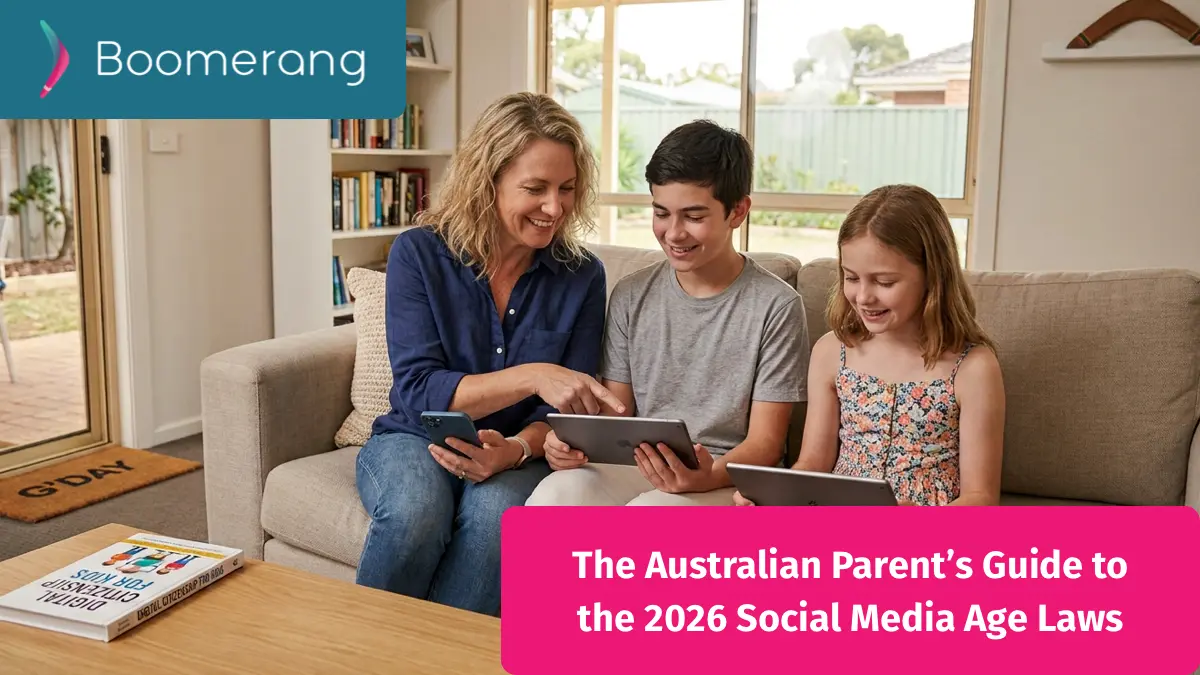
The Australian social media age ban has officially reshaped how families navigate screen time across the country. With the enforcement of mandatory age verification under the Online Safety Amendment (Social Media Minimum Age) Act, parents are breathing a collective sigh of relief, immediately followed by a deep breath of confusion.
Under the updated laws, major social media platforms; including Instagram, TikTok, Snapchat, Facebook, X, YouTube, Reddit, Threads, Kick, and Twitch must take “reasonable steps” to prevent Australians under 16 from holding accounts. However, while tech giants face civil penalties up to $54.6 million AUD for failing to block under-16s, daily device management still rests largely on parents’ shoulders.
1. Early Results of the Australian Social Media Age Ban
When the Australian social media age ban first took effect, platforms deactivated over 4.7 million underage accounts. However, real-world data and initial enforcement updates from the eSafety Commissioner highlight mixed results for Australian households:
- Deactivations vs. Workarounds: Millions of underage accounts were removed almost overnight. Yet, evaluations reveal that many teenagers quickly found loopholes, ranging from altering birth dates via low-confidence verification, using VPNs, or turning to web browsers instead of dedicated mobile apps.
- Layered Verification Rollouts: Platforms cannot legally require you or your teenager to upload a government ID (such as a passport or driver’s license). Instead, they rely on a “waterfall” framework using facial age estimation, behavioral signals, or third-party age-assurance providers.
- Exempted Platforms: Messaging services (like WhatsApp), online gaming, educational tools, and health support platforms remain open to under-16s under the Minister’s safety rules.
Because law enforcement targets tech platforms, not kids or parents, bridging the gap between federal mandates and household device use is up to you. Here is your updated blueprint to foster safety and compliance using Boomerang Parental Control.
2. How to Comply with the Ban: 3 Steps using Boomerang
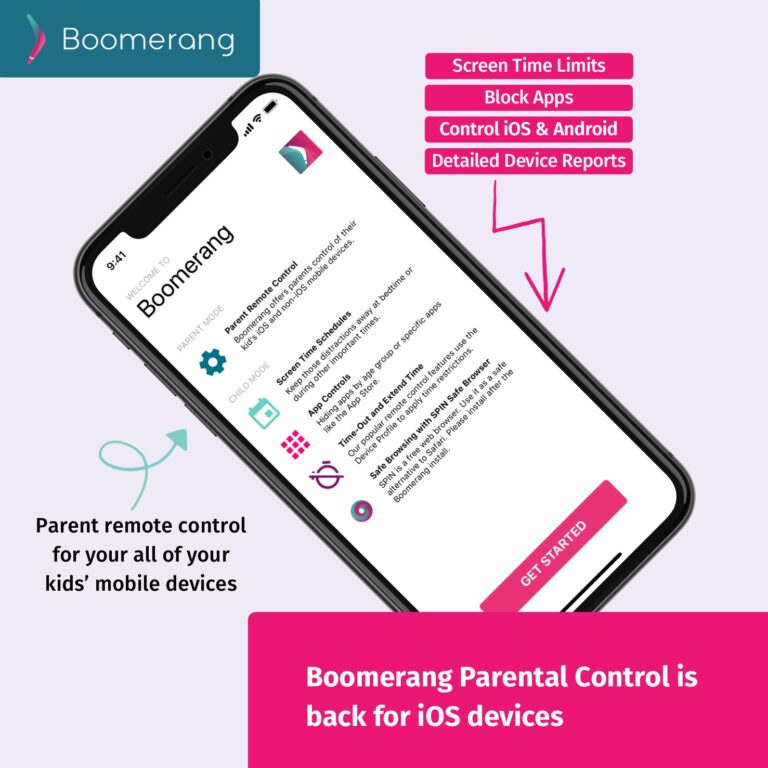
Navigating the Australian social media age ban doesn’t mean locking devices in a drawer. It means managing access intelligently. Boomerang Parental Control is designed specifically to help you enforce these national standards at home.
Step 1: Immediate App Approval (The First Line of Defense)
You cannot manage what you don’t know is on the device. When restricted apps block account creation, teens often attempt to download emerging alternative platforms.
- How it helps: Boomerang’s core App Control feature instantly alerts your parent device whenever your child attempts to download any new app.
- The Strategy: Use this moment for conversation. If they attempt to download an age-restricted social app, Boomerang blocks the installation automatically, allowing you to discuss the law and pivot toward safe, age-appropriate alternatives.
Step 2: Total Browser Blocking (Securing the “Backdoor”)
A primary workaround for kids attempting to bypass app-store age limits is accessing social platforms through mobile web browsers.
- How it helps: Boomerang includes the SPIN Safe Browser. When configured on your child’s device, it automatically blocks all alternative web browsers (including Chrome, Safari, and Firefox).
- The Strategy: This ensures content filtering remains 100% consistent across the device. If a platform is restricted under the Australian social media age ban, its web version remains inaccessible, closing the web-browser loophole completely.
Step 3: Promoting Healthy Alternatives
Compliance doesn’t mean boredom. The goal of the ban isn’t about eliminating tech; it’s about curating safer tech.
- How it helps: Boomerang allows you to set specific non-restricted apps to “Always Allowed.”
- The Strategy: Identify apps that support education, creative hobbies (drawing, coding, music), or exempt communication (like school portals or basic messaging apps). Granting unlimited access to constructive tools reinforces that technology is for learning and creating, not just passive social media consumption.
3. Moving from Restriction to Digital Citizenship
The Australian social media age ban gives parents a clear, official foundation for conversations at home. The discussion is no longer, “Why are you taking my phone away?”
“These safety laws exist to protect young people online, just like seatbelts in a car. Let’s figure out how we manage your digital life together within these safety bounds.”
By focusing on digital citizenship, you move away from being the “screen time police” and become your child’s trusted guide in the digital world.
Take the first step toward a safer, compliant digital environment. Download Boomerang Parental Control today.
Related Sources & Parent Resources
To stay updated on the regulatory changes following the Australian social media age ban, explore these official government resources:
- eSafety Commissioner: Social Media Minimum Age Hub – The central source for official information on the laws and restricted platform lists.
- Department of Infrastructure & Communications: SMMA Fact Sheet – A detailed breakdown of the Online Safety Amendment (Social Media Minimum Age) Act.
- Office of the Australian Information Commissioner (OAIC): Privacy and Age Assurance Info – Official guidance on how child privacy is protected during age verification.
- Kids Helpline (1800 55 1800): Visit KidsHelpline.com.au – Free, 24/7 support for young Australians feeling distressed or isolated.
START YOUR FREE TRIAL
Take control of screen time—free for 14 days, cancel anytime.